
Top 5 Reasons Your Dog Doesn't Listen To You
If you've ever thought "Why won't my dog listen to me?", or desperately screamed it into a pillow, you wouldn't be the first!
It's one of the most common complaints dog pros hear from clients, and unfortunately there's no single answer.
It's complicated, because dogs aren't robots.
So, if we want them to listen to us, we need to be someone whose lead they want to follow. And that starts with us - understanding who our dogs are, and giving them daily outlets to 'dog'.
Do that, and you're already stacking the deck in favor of the hearing kicking in ;)
OK, now for the Top 5, with a PIVOT to get you back on track:
1. Pain

A dog refusing to do something that hurts can look like they didn't hear you or they're just blowing you off. Stubborn and sore look very similar across the room. When in reality, it might just be too painful for a dog to sit if they have arthritis.
If your dog suddenly stops doing something that they've always done, or you see subtle signs creep in: slower on the stairs or refusing to jump into the car, it's worth taking a look to see if something's changed medically.
↪️ PIVOT:
A vet check is always great to rule out medical issues.
2. DNA
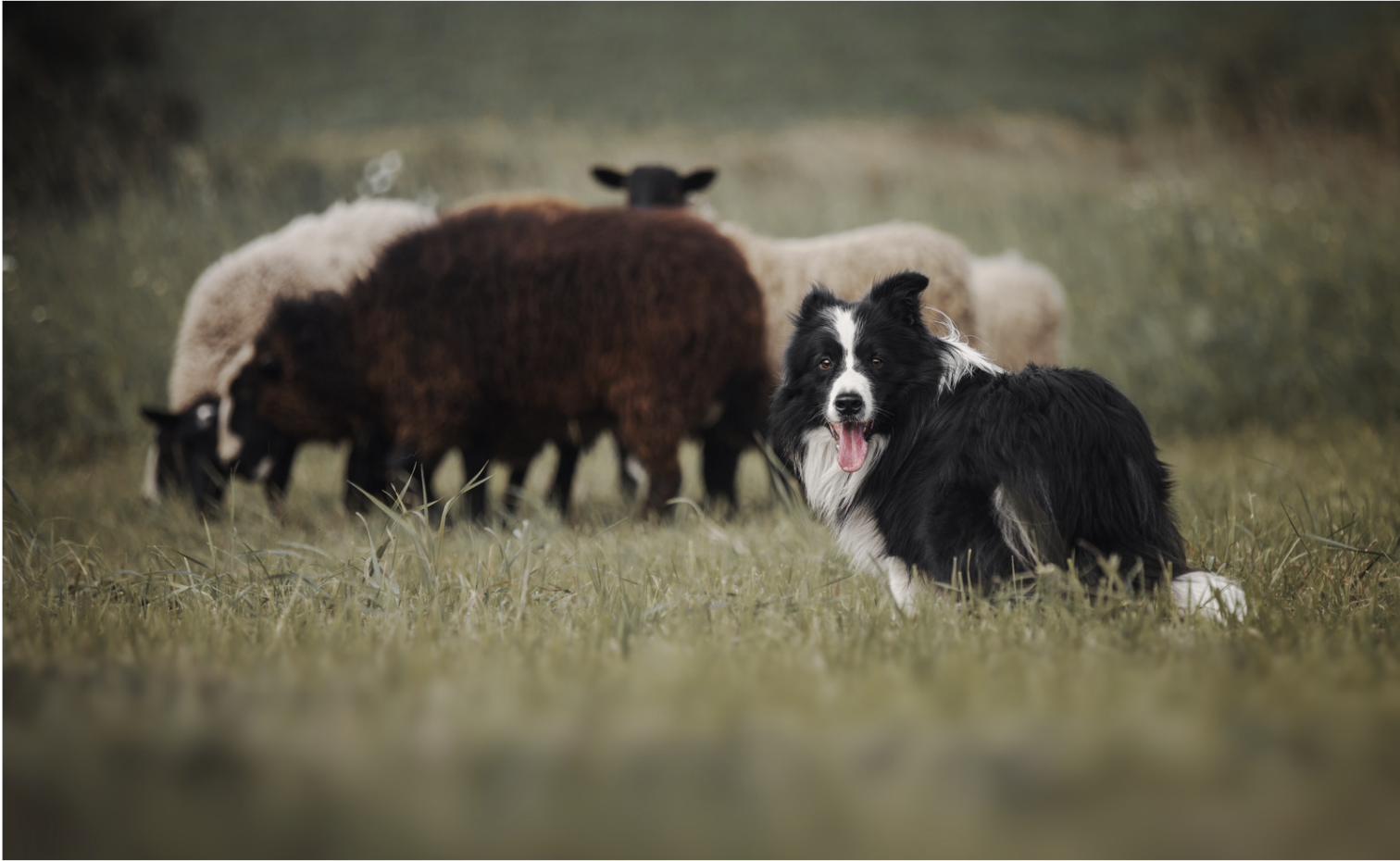
Over the years, dogs have been bred to do very specific and amazing jobs for us: from hunting, herding, retrieving, protecting and ratting. Sometimes these skills skip the 'thinking' part entirely.
They're not ignoring you - they're hard-wiring kicked in and listening skills are out to lunch.
And that wiring runs DEEP.
So it wouldn't be surprising if your hound goes 'nose-down' and 'ears off' for an entire walk, so yelling "COME!" fifty times over is literally landing on closed ears. It's really hard to overpower genetics, so understanding who your dog is and giving them props for those mad skills goes a long way to cap the frustration.
↪️ PIVOT:
Take the time to learn what your dog was bred to do, then figure out a way that they can let off that steam, in an environment that is safe and constructive for everyone.
For the sniffers, enrolling them in a Nose-work class, or hide objects at home for them to find can work wonders.
Giving your dog an outlet to do what their body is begging them, goes a long way. Filling their bucket first gives you the best odds of your dog listening to you when it matters most. However, the 'super sniffers' may need to be on a long line in more tempting spaces or run in an enclosed area, where they have the freedom to follow their nose.
**(While we're talking Biology, let's not forget - Adolescence. Dogs hit 'teenage' between 6 months -2 years, and their hormones can wreak havoc. The salve for this? Is the same as #3. Stay the course, and this too shall pass.)
3. Confusion
This one is a biggie - but also relatively easy to fix.
Most dogs try their hardest to fit in with what we want, but often that isn't crystal clear.
"Don't jump on the couch" (when you're wet), but "Come snuggle with me" when I'm watching a movie.
"Stop begging!" at the table, but "Hey Sparky, want my pizza crust?" (also at the table!).
We humans accidentally change the rules with the wind, depending on the day, our mood, who's around, the dog's behavior, or how muddy their paws are. And our poor pups are supposed to make sense of it all.
But dogs read patterns, not intentions.
↪️ PIVOT:
Get really clear on what you would like your dog to do, then deliver that plan to them, clearly too.
Once you have the clarity - next you need consistency.
Do the same thing over and over, and ensure that all family members are following suit.
If you want your dog to listen to 'no begging' NO ONE can be feeding the dog from the table. EVER. I promise, no dog is going to forget that random slice of turkey, that was slipped to them at Thanksgiving, anytime soon!
4. They're In Over Their Head
It's really hard to pay attention to jump to attention when you feel like you're fighting for your life.
Ok, that's a bit dramatic.
But many dogs find themselves in situations that are too tough for them to handle, and all of their energy is poured into figuring out how to get out the other side.
You may have a dog who is scared of traffic or loud noises that simply can't listen to their person's pleas for them to 'heel!' That hard pulling on leash isn't them trying to embarrass you (as embarrassing as it may feel), it's their way of trying to escape an overwhelming environment.
"Be nice!" is another one.
Expecting an introverted, shy, or anxious dog to be a social butterfly with strangers, children, or other dogs can be an order they can't fulfill.
↪️ PIVOT:
The key is to build safety and trust, which all starts with learning to read your dog's body language signals. They're talking to you all the time, so when you see them starting to become anxious or overwhelmed, you'll know you need to step in to support them.
Dogs are relying on us to have the situation in hand, to protect them when need be, and to 'get them outta Dodge' when they can't cope. By doing so, we're sending a clear signal that we have their back when they need us.
The more our dogs build trust in us, the calmer they will feel (and act) in the world.
5. Low Motivation
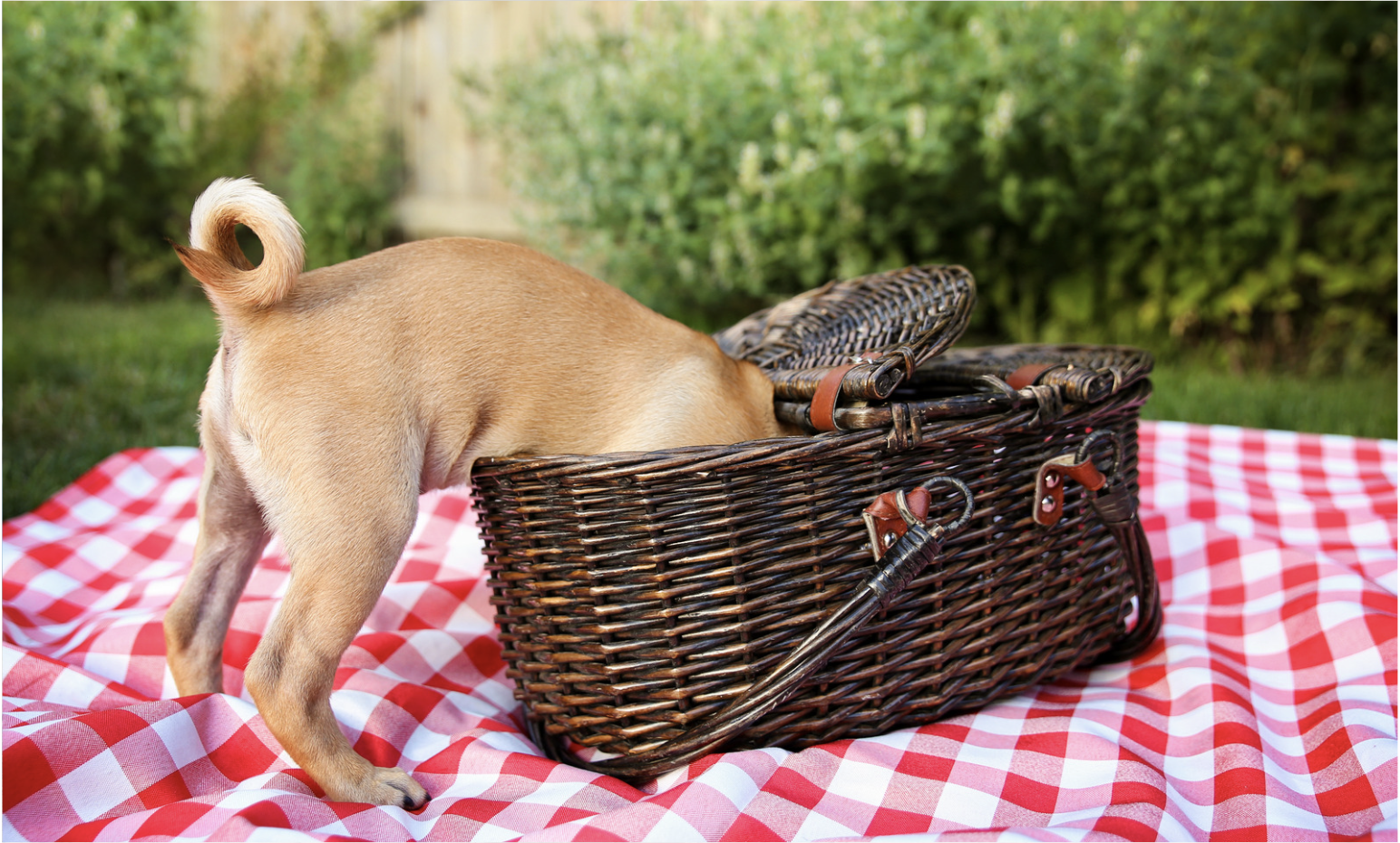
Would you happily clean 50 dirty toilets for a measly pat on the back?
Probably not. Me neither.
And dogs have that very same ability to weigh up the pros and cons of following a request.
You tell your dog to "LEAVE IT!!" as they're running toward that open packet of ham you just dropped on the floor, and they're doing the math: a) I get to eat 6 slices of juicy meat or b) I get told I'm a very good dog. Um. No brainer. Snarfs the ham.
↪️ PIVOT:
Dogs, like people, want to know what's in it for them.
But this isn't about turning yourself into a vending machine. It's about building a relationship where listening is a win-win for both of you. So, get curious about what really floats your dog's boat. For some it's food. For others it's a game of tug, or your undivided attention. Once you know what matters to them - use it. Not as a bribe. But as your half of the agreement.
At the end of the day, we're not asking for them to obey like a machine. We're asking for a deal we both actually want to keep.
(One last note on 'The Deal': this is also why a dog who listens beautifully at home might have suspiciously selective hearing at the park.
The paycheck that works for a down-stay in your kitchen, doesn't stand a chance against squirrels, other dogs, and all the hundreds of fascinating smells.
The park just made a much better offer.
And we're just asking them to keep the agreement, with the same terms - but in the most exciting 'room' ever!)
So much of our dog's listening skills actually start with OURS, first.
Are we really listening to them?
Who they are?
What they need?
When they're asking for US to step up?
It's incredible how much we can impact our dog's behavior by starting with our own behavior first.
That's the whole idea behind Before You Train Your Dog.
Why not start there :)
